Home
About Us
company profile
Factory Tour
Quality Control
Products
Lower Limb Prosthetic Components
Prosthetic Knee Joint
ALPS Prosthetic Liners
Orthotic Material
Orthotic Brace
Prosthetic Accessories
Prosthetics Foot
Bunion Corrector Set
Prosthetic Gloves Silicone
Upper Limb Prosthetic
Orthotic Knee Joints
Prosthetics Equipment
Pediatric Prosthetic
Shuttle Lock System
Contact Us
Request A Quote
English
Русский
Español
العربية
Sorry! This product is no longer available.
Let's see if there are any related products that interest you
Recommended Products
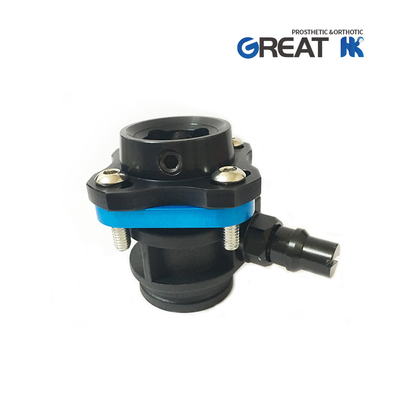
Best Deal Mega Sale For Prosthetic Knee joint and Carbon fiber foot
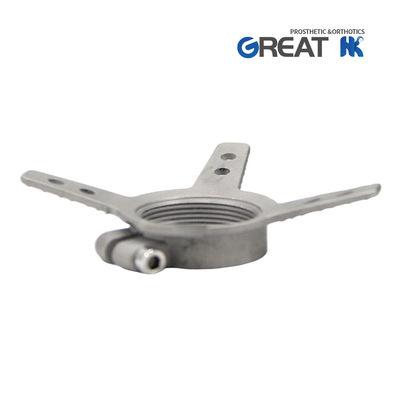
Three Prong Shuttle Lock Lower Limb Prosthetic For AK Aluminium 7075
Lower Limb Prosthetic Components Shuttle Lock System Aluminium 7075
AK Nylon Shuttle Lock System Prosthesis For Lower Limb
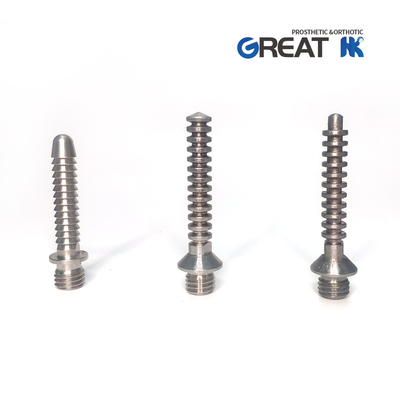
Stainless Steel Lower Limb Prosthetic Pin Lock System For Liner Connection
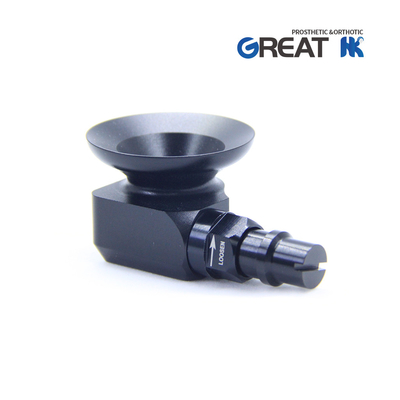
Aluminum Material Prosthetic Shuttle Lock Max Load 125Kg 275LBS
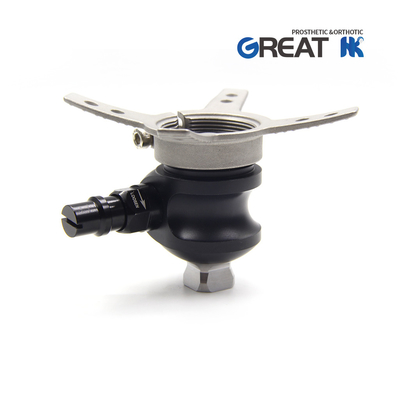
Transtibial Prosthetic Shuttle Lock System With BK 4 Prong Casting Steel Anchor
Reinforced Four Prong Prosthetic Shuttle Lock System For Below Knee Using
Stainless Steel Four Prong Prosthetic Shuttle Lock System For Below Knee Using
Aluminum Three Prong Prosthetic Shuttle Lock System For Below Knee Using
Reinforced Aluminum Prosthetic Shuttle Lock With Pyramid Receiver Short Pin
275lbs Aluminium 7075 Prosthetic Shuttle Lock For Above Knee Using
Four Anchor Stainless Steel Prosthetic Shuttle Lock With Pyramid Adapter For Below Knee Using
Reinforced Stainless Prosthetic Shuttle Lock With Pyramid Adapter For Below Knee Using
Four Prong Casting Steel Prosthetic Shuttle Lock With Pyramid Adapter And Short Pin
220LBS 3 Prong Stainless Steel Prosthetic Shuttle Lock With Pyramid
Stainless Steel Below Knee Prosthetic Shuttle Lock System With Pyramid
Reinforced Aluminum Prosthetic Shuttle Lock 4 Hole Attachment
Cylindrical Push Prosthetic Shuttle Lock System For Above Knee And Below Knee Using
Lightweight Prosthetic Shuttle Lock For Above Knee And Below Knee Using